Shipped today
7 Tips to keep your Gut Microbiome healthy
- By Bea Recuerdo (BSc)
- 15 Apr 2022

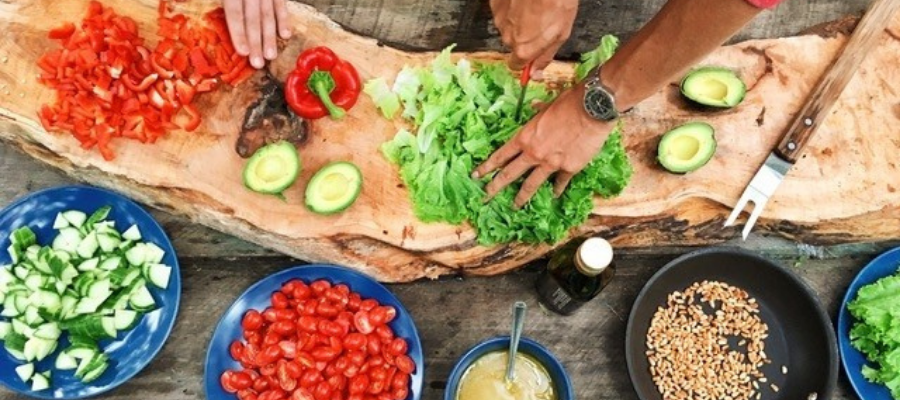
Here are 7 tips to help you maintain a healthy gut flora:
Tip #1: Eat high fiber:
The microbes in your gut are fed by the fiber you eat. Plant-based foods are rich in dietary fiber; vegetables, fruit, legumes (lentils, beans, peas, etc.), whole grains, nuts, and seeds are true fiber bombs! (Source: British Heart Foundation)
Try this: Try adding seeds, or nuts to your breakfast (oatmeal, cereals, overnight oats), snacks (crackers, nuts, and fruits), or smoothies. These are easy ways to add fiber to your diet.
Tip #2: Try to eat as many different vegetables as possible in a day:
each fiber source contains different types of micronutrients (vitamins, minerals, etc.) and fiber. For a wide variety of microbes in your gut, it is therefore important to eat a varied diet and vegetables are ideal for this (Source: British Heart Foundation).
Try this: Try eating vegetables with both lunch and dinner. You can consciously choose to eat different vegetables at lunch than at dinner. This is not only good for the taste, but you will also quickly get 10 different types of vegetables per day!
Tip #3: Herbs and spices are your friends:
This is another way to add a lot of variety to your diet and thus support your microbiome. Spices and herbs are also rich in micronutrients and they make your food very tasty, without having to throw a lot of salt on your food. Win-win! (Source: Academicworks)
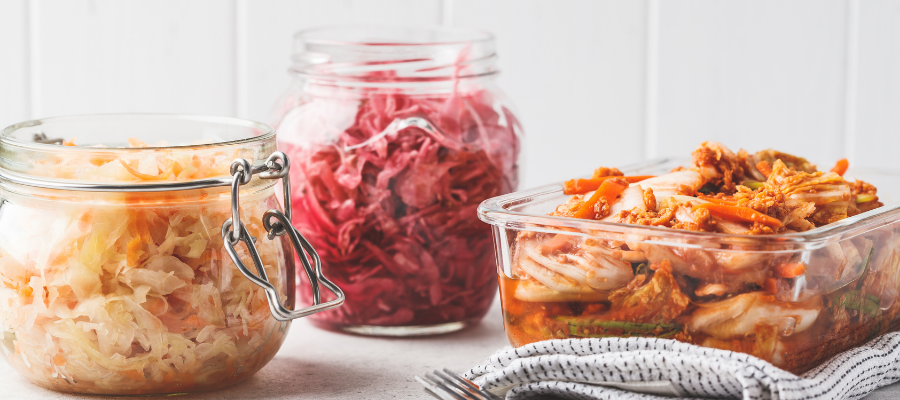
Tip #4: Try to add one or more sources of fermented food or drink to your food daily and vary it:
Tempeh, (soy or coconut) yogurt or raw milk dairy, miso, kimchi, kombucha, kefir, sauerkraut, pickles, vinegar are just a few examples of fermented foods. These are all-natural probiotics. Again, try very well (and tasteful!) with this (Source: Johns Hopkins Medicine).
Tip #5: Eat as little processed food as possible:
A diet with a higher intake of ultra-processed food, saturated fat, sodium, and sugar results in a smaller and less diverse microbiome (Source: British Dietetic Association). Generally, this is because those food products contain little to no nutrition for your microbiome and what doesn't get nutrition dies out. The same goes for your microbiome.

Tip #6: Do not underestimate the influence of the rest of your lifestyle:
Not everything can be solved with nutrition, no matter how much we like to believe this. All lifestyle factors also affect the microbiome in your gut. Exercise daily, get enough sleep, try to minimize stress factors in your life, have daily relaxing activities, and make sure you have a warm and safe social network. Social contacts (offline!) also have a major influence on your health (Source: Johns Hopkins Medicine).
And last, but not least,
Tip #7: Enjoy and live, not only for your mood but also for the health of your gut!
We have an easter egg just for you... since April is IBS Awareness month, here is a quick talk about irritable bowel syndrome (IBS):
Research has found that an imbalance in the body’s gut microbiome, known as "dysbiosis," may play a role in the development of IBS (Source: NCBI). There are, however, other factors that can lead to IBS aside from a dysbiotic gut and these are:
- Chronic infections
- Food hypersensitivities
- Toxins
- Stress
- Other predisposing variables such as genes
(Source: Frontiersin)

But what is irritable bowel syndrome (IBS)?
Irritable bowel syndrome (IBS), is a medical name for a group of digestive problems (Source: NCBI). Symptoms may differ from one person to another, and according to the British Dietetic Association, if you are experiencing any of the listed symptoms below for at least six months, you should consider getting tested for IBS:
- Abdominal discomfort or pain
- Bloating
- Change in bowel movement
Accompanied by at least two of the four symptoms listed below:
- Change in stool passage (urgency, straining, or incomplete evacuation)
- Abdominal hardness, distension, or bloating, which is usually more common in women than in men
- Presence of mucus in stools

In addition, if any of the situations below are present together with the previously listed symptoms, consult your doctor or see a specialist as you may possibly have IBS:
- unintentional and unexplained weight loss
- rectal bleeding
- a family history of bowel or ovarian cancer
- a change in bowel habit to looser and/or more frequent stools persisting for more than six weeks in a person aged over 60 years.
Source: British Dietetic Association
If in case you want to know more about IBS, NHS has prepared a video guide about irritable bowel syndrome, its symptoms, getting diagnosed and diet, lifestyle, and medicine that can help with your IBS journey.
You can also check out an informational blog about the steps you can take if you have IBS from the British Dietetic Association and also the Self-Help Guide for people with IBS from NHS
Takeaway:
At the end of the day, it's important to note that your gut microbiome is a reflection of your diet, lifestyle, and environment. Remember that an imbalance or a dysbiotic gut microbiome may contribute to conditions like irritable bowel syndrome (IBS) and affect body processes and our immunity. While our gut microbiome may at times be unpredictable, the 7 tips we gave can help promote the health and wellness of your gut and its flora.