Shipped today
New Year's Resolutions: More Energy
- 15 Jun 2026

At the start of the year, many people have the same intention: “I want more energy.” We often try to solve that with big plans and strict rules – which are usually abandoned after just a few weeks.
We believe in a different approach: 1% per day. With small, achievable adjustments to your daily routine, you work step by step towards more balance, without having to turn your whole life upside down.
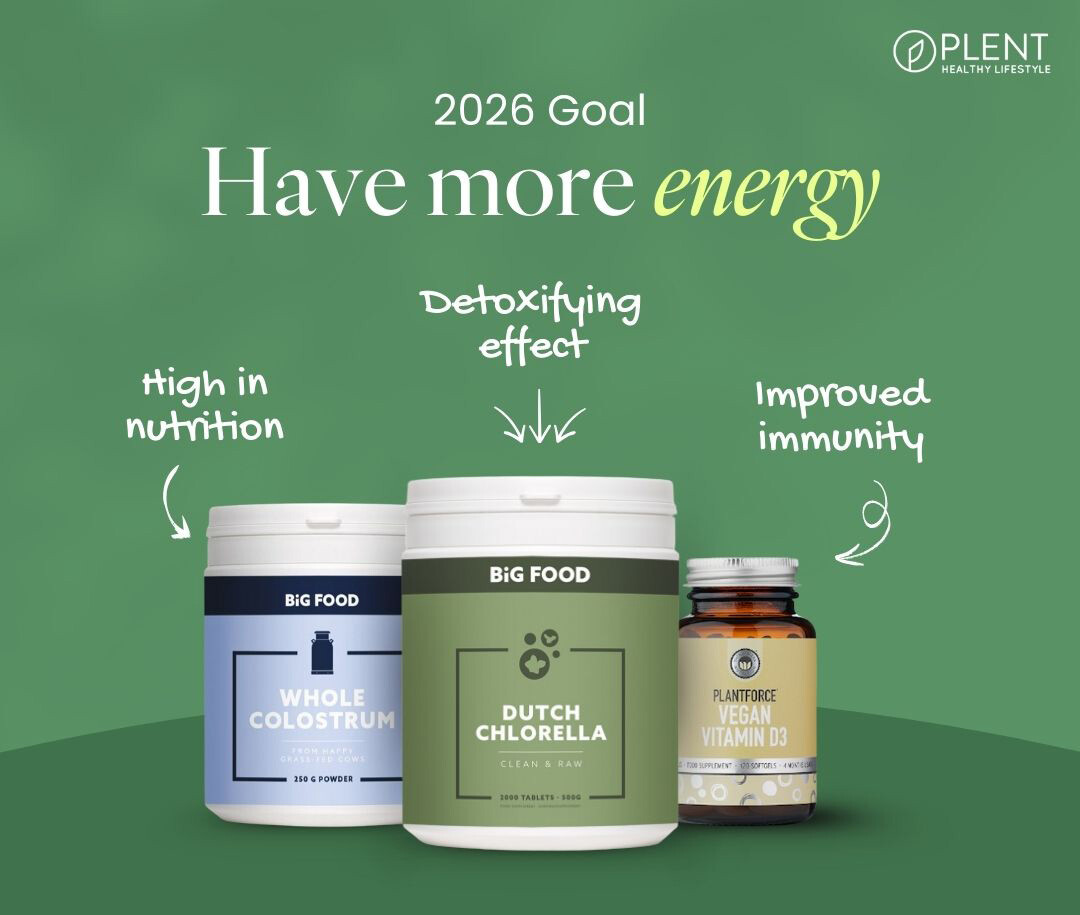
Start your 1%-per-day-routine
More energy usually doesn’t start with “doing more”, but with using your energy sources more wisely: sleep, breaks, movement, nutrition and mental space. The 3-month plan below is an example that you can adapt to your own life. The goal is not to be perfect, but to take one small step each day.
Important: if you have medical complaints or suspect a deficiency, always consult a doctor or other professional.
Goal: gaining insight into your energy drains and sources, without immediately changing everything.
Suggestions for small 1% actions:
-
Keep an energy log (3–5 minutes per day)
Briefly note on a scale of 1–10 what your energy was like:-
when you woke up
-
midday
-
at the end of the day
Write down 1–2 things that may have influenced it (e.g. screen time, going to bed late, many appointments, fresh air, short walk).
-
-
Schedule mini breaks
-
Set a timer 1–2 times a day for a 3-minute break: stand up, look out of the window, get a drink, take a few deep breaths.
-
Better to consistently take 3 minutes than one hour once a week.
-
-
Gently prepare your sleep routine
-
Choose one small evening adjustment, such as:
-
only doing “light” activities in the last half hour before bedtime (reading, showering, getting your things ready).
-
a set “screen cut-off time” (for example 30 minutes before bed).
-
-
1% mindset: you don’t need to suddenly go to bed super early, exercise more and completely overhaul your schedule. Small adjustments that you can actually stick to are enough for this month.
Goal: creating a basic rhythm that your body recognises, with small routines instead of big plans.
Possible focus areas:
-
Fixed start to your day
-
Preferably get up around the same time each day (also at the weekend, with perhaps a small difference).
-
Choose a mini morning ritual of 5–10 minutes: drinking a glass of water, a short stretch routine, getting some daylight, or a short walk around the house.
-
-
Intentional “energy blocks” in your schedule
-
Roughly divide your day into blocks (for example: morning / early afternoon / late afternoon).
-
Plan 1 task that really matters in each block, and 1 micro-break of 3–5 minutes.
-
-
Linking movement to your energy
-
Instead of “exercising more”, you could think of:
-
a short daily walk (5–10 minutes) after a meal
-
more often walking or cycling for short errands
-
standing up a few times a day if you sit a lot
-
-
1% ideas for Month 2:
-
Extend your mini walk by 1 minute each week, if that feels good.
-
Make one promise to yourself that you take seriously, for example: “Every workday after lunch I walk outside for 5 minutes.”
Goal: not necessarily doing more, but better protecting what supports you and what drains you.
Suggestions:
-
Weekly reflection (5–10 minutes)
-
What gave you energy this week?
-
What cost you noticeably more energy?
-
Which small habit do you want to keep next week, and where do you want to make a 1% adjustment?
-
-
Boundaries around work and screen time
-
For example:
-
a set “end time” for email or work-related apps
-
one screen-free activity per day (cooking, walking, reading, a hobby)
-
-
-
Energy-friendly planning
-
Where possible, try to schedule heavier tasks at times when you usually have more focus.
-
Plan lighter tasks or routine chores at times when your energy is often a bit lower.
-
1% mindset: you don’t need to have maximum energy every day. The goal is to notice more often: “This works for me,” and to feel completely drained less often because of making jumps that are too big.
An important nuance with 1% per day
-
1% is relative: for one person that’s 5 minutes a day, for another it’s 20 minutes, depending on where you are right now.
-
Doing nothing also counts: skipping a day and then picking it up again is still a form of 1% thinking – you’re getting back on track instead of giving up altogether.
-
Listen to your body: in case of doubt or complaints, it’s always wise to consult a doctor.

Supporting supplements
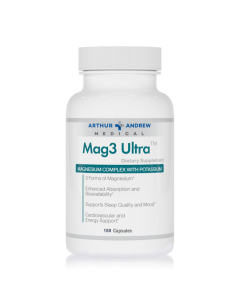

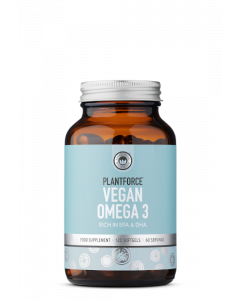
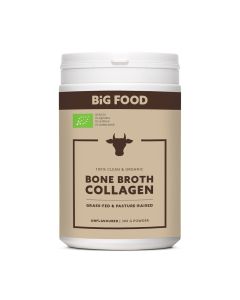
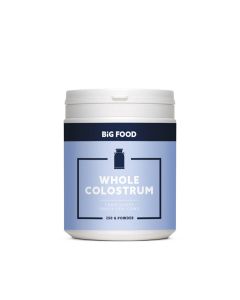
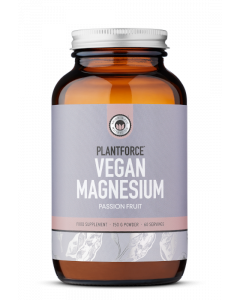



Supporting supplements within the energy theme
A varied diet, sufficient sleep, movement and relaxation form the foundation of your energy levels. Some people also choose to include certain supplements in their daily routine. Within this theme, you’ll find products containing chlorella, spirulina, magnesium, omega-3, vitamin D3, colostrum, B-complex and bone broth.
The information below is general and intended for orientation purposes. Are you unsure whether a supplement is suitable for you, are you using medication or do you have a medical condition? Then contact a doctor, dietitian or other qualified professional.
Chlorella
is a single-celled freshwater algae. It is processed into various food supplements, for example in tablet or powder form. People often use chlorella as part of their daily routine, alongside nutrition and lifestyle.
Spirulina
Spirulina is a microalga that is widely used in supplement form. Just like chlorella, you’ll often find it in tablets or powder. Some people add spirulina to smoothies or other cold drinks as part of their diet. We offer a great combination product with spirulina and chlorella:
Magnesium
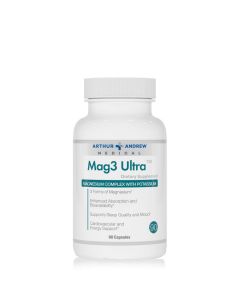
is a mineral that is found in various foods, such as green vegetables, nuts and whole grain products. Some people choose a magnesium supplement as part of their daily routine. Always check the label and take supplements according to the recommended dosage.
Omega-3
Omega-3 occurs naturally in oily fish and certain plant-based sources (such as flaxseed oil and some algae). People who eat little of these foods sometimes choose an omega-3 supplement (for example fish oil or a plant-based alternative) as part of their daily intake.
Vitamin D3
is partly produced in the skin under the influence of sunlight and is present only to a limited extent in food. In some situations, people choose a vitamin D3 supplement, for example during the darker months or when they spend little time outdoors. Always follow the dosage instructions and any advice from a professional.
Colostrum
is the first milk produced by mammals after the birth of their young. In supplement form, bovine colostrum is generally used. It is included in various products as part of a daily routine; choosing it is a personal decision.
Vitamine B-complex
: A B-complex combines several B vitamins in a single supplement. B vitamins occur naturally in many foods, such as whole grains, legumes, meat, fish, eggs and dairy. A B-complex is sometimes used by people who want to supplement their B vitamin intake in a structured way, always within the recommended amounts.
Bone Broth
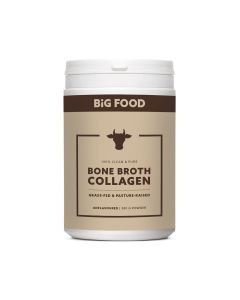
(bone broth) is a broth made from bones and connective tissue, often with vegetables and herbs. Some people use bone broth as part of their daily diet, for example as a warm drink or as a base for dishes.