Shipped today
New Year’s Resolution: Training & Workout
- 15 Jun 2026

Starting the new year off right is important, but sticking with it is even more important. Instead of changing everything all at once, we believe in the power of 1% per day. With small, achievable steps, you gradually build more strength, stamina and confidence. That way, training becomes a natural part of your day, instead of a short-lived New Year’s resolution.
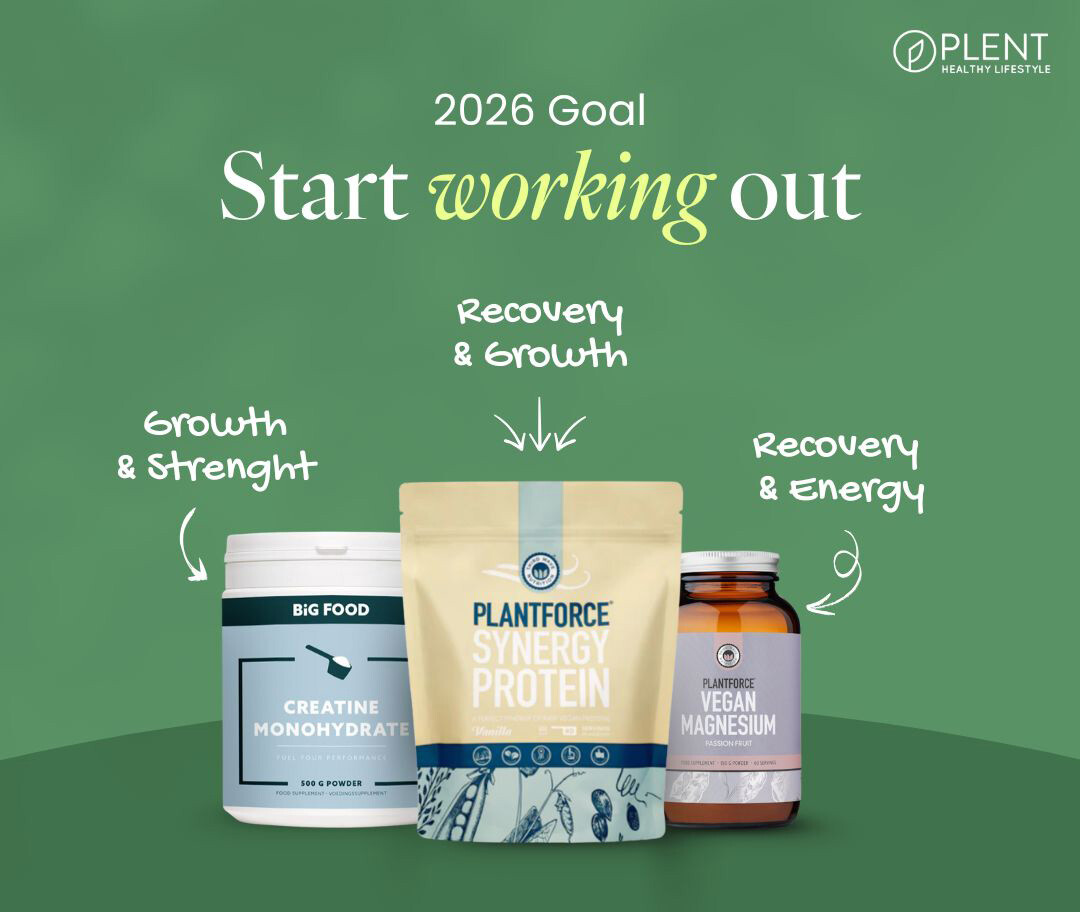
Start your 1%-per-day-routine
With 1% per day, it’s not about long, intense workouts, but about small actions you can actually stick to. It’s better to do something for 5–10 minutes every day than to exercise for an hour at a time and then give up. See this as an example you can adjust yourself.
Tip: choose one mini-goal per period that is so small you hardly have to make an effort to achieve it.
Goal: linking movement to your daily routine and keeping the barrier as low as possible.
Guideline (example):
-
Every day: 5 minutes of light movement
Think of: a short walk around the house, a walk around the block after dinner, 5 minutes of stretching exercises, or going up and down the stairs a few times. -
1–2 times per week: 5 minutes of simple strength exercises
For example:-
2× 8–10 chair squats
-
2× 8–10 light wall push-ups
-
2× 20 seconds plank (or with knees on the ground)
-
1% ideas for Month 1:
-
Link your 5-minute walk to something you already do (after lunch, after dinner).
-
Lay out a yoga mat or sportswear as a visual reminder.
-
Don’t feel like it? Then just do 2 minutes – that still counts as 1%.
Goal: very gradually increasing the volume, without it feeling like a “training regime”.
Guideline (example):
-
Every day: 5–10 minutes of movement
-
A slightly longer walk, a few times a week
-
Or: several mini-moments spread throughout the day (e.g. 3× 3 minutes).
-
-
2 times per week: 5–10 minutes of strength/mobility
For example:-
2–3 sets of 8–10 repetitions of 2–3 basic movements (squat, rowing movement with a band, light push-up against the counter or wall).
-
1% ideas for Month 2:
-
Extend your regular walk by 1 minute per week.
-
Add one extra set or a few repetitions to an exercise.
-
Choose the stairs more often, get off one stop earlier or walk for a short errand.
Goal: from experiment to routine: maintaining what works for you instead of constantly training heavier or longer.
Guideline (example):
-
Every day: 5–15 minutes of movement (as in month 2, but most importantly: stay consistent).
-
2–3 times per week: short, “intentional” training moments of 10–15 minutes
These can still be very simple at-home exercises:-
A combination of lower body (squat/lunge), upper body (push/pull movement) and core (plank, dead bug).
-
1% ideas for Month 3:
-
Choose 2–3 “fixed training days” in your calendar and treat them as an appointment with yourself.
-
Play with variety: go for a walk outside instead of cycling indoors, or change the order of your exercises.
-
It’s better to keep up your 10 minutes a day than to suddenly jump to 45 minutes and lose your rhythm.
An important nuance with 1% per day
-
1% is relative: for one person that’s 5 minutes a day, for another it’s 20 minutes, depending on where you are right now.
-
Doing nothing also counts: skipping a day and then picking it up again is still a form of 1% thinking – you’re getting back on track instead of giving up altogether.
-
Listen to your body: in case of doubt or complaints, it’s wise to consult a (sports) professional, physiotherapist or doctor before increasing your effort.

Make your workout complete!

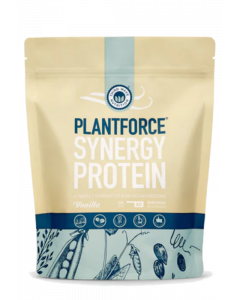
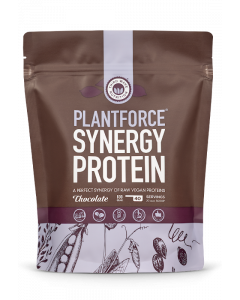
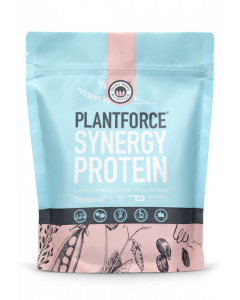
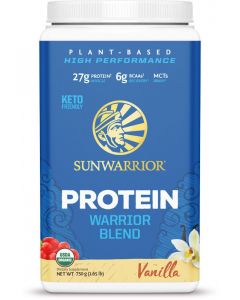

Supporting supplements for more energy
A good foundation starts with daily habits: getting enough sleep, eating a varied diet, moving regularly and creating moments of rest. Some people also choose supplements that fit their daily energy routine. Within the collection focused on more energy, you’ll find products including chlorella, spirulina, magnesium, omega-3, vitamin D3, colostrum, B-complex and bone broth.
Creatine
is a substance that occurs naturally in the body and is also present in food. Within strength and team sports, creatine is a widely used supplement. If you want to use creatine, always follow the instructions on the packaging and, if needed, discuss its use with a professional.
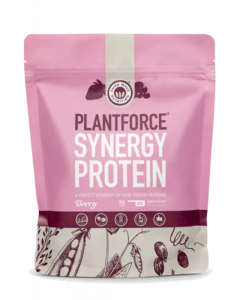
Protein
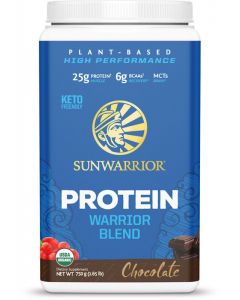
occur naturally in foods such as legumes, dairy products, nuts and seeds. Protein supplements (such as protein powders or shakes) are often used by people who want to top up their protein intake in an easy and measurable way, for example around their workouts.
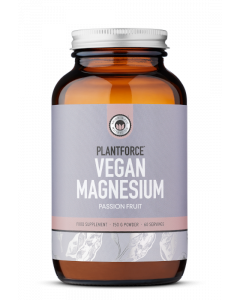
Magnesium
is a mineral found in various foods, such as green vegetables, nuts and wholegrain products. Some people choose a magnesium supplement as part of their daily routine. Always check the label and take supplements according to the recommended dosage.
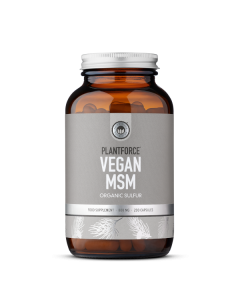
MSM
(methylsulfonylmethane) is an organic sulfur compound that occurs in small amounts in certain foods. Within the Training & Workout collection, you may find MSM as part of the supplements people use in their personal routine.
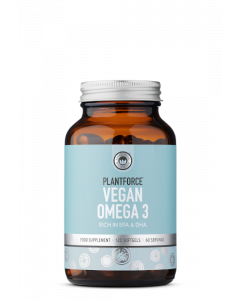
Omega-3
fatty acids occur naturally in oily fish and certain plant-based sources. People who consume little of these foods sometimes choose an omega-3 supplement (for example based on fish oil or a plant-based alternative) as part of their daily intake.