Shipped today
Are vegan protein powders healthy?
- By Bea Recuerdo (BSc)
- 27 May 2022
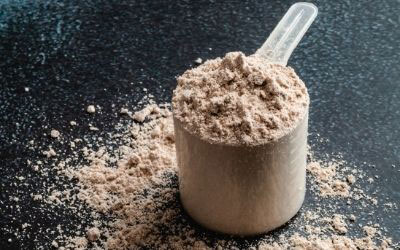
Getting enough protein from your diet is essential to maintaining a healthy body. Protein is needed for body processes such as muscle building, tissue repairing, and supporting immune function.
However, poorly planned vegan diets fail to meet the protein requirements needed by the body. This is why the hype over Vegan Protein powders came along with the popularity of plant-based diets in the Western market.
The market is saturated with different sources of plant-based protein. There are plant-based proteins extracted from pea, hemp, soy, brown rice, and many more. But with all of this hype, it makes us question, "Are Vegan Protein Powders healthy?"
Let's dig deeper into this topic, where we will be answering a few of your most asked questions about Vegan Protein powders and see if these powders are truly healthy.

Do I need Vegan Protein Powder in my diet?
Protein requirements vary from person to person. This is why it is crucial to determine if you genuinely need plant-based protein powders in the first place. Protein sources for vegans can be obtained from plant-based sources like beans, legumes, lentils, nuts & seeds (Source: BetterHealth).
But some special cases make it hard for vegans to meet their protein needs:
1. When they're unable to meet their protein needs from whole foods
This often happens when Vegans lack time to prepare meals or have allergies or intolerances to plant-based protein sources.
2. Vegans looking for an alternative ingredient
There are times when we don't feel like eating beans or nuts for breakfast. And that's normal. Vegan Protein Powders give you the convenience of simply adding it to your smoothie, pancake, or oatmeal bowl and still be able to get Protein from your meal.
Speaking of meals, you might want to check a few of our protein-riched delicious recipes here:

How much Vegan Protein Powder do I need in a day?
Your consumption of Vegan Protein Powders will depend on how much Protein you need to supplement your diet in a day.
For those vegans who are healthy and have mild to moderate physical activity, the calculation of your protein requirement can be 0.8 g of protein per kilogram of body weight. If you weigh 150 lbs., your protein is estimated to be around 62 g in a day. (Source: VRG) Now, if you plan to get 42 g of protein from your diet and 20 g from vegan protein powders, seeking professional advice from a dietitian is essential to interpret your protein requirement in a day into a food serving size.
On the other hand, Vegan athletes, in particular, have been proven to consume less Protein compared to those who eat animal-based Protein. Insufficient intake of Protein can affect muscle growth and performance. This is why plant-based protein supplements, like vegan protein powders, are being considered in their diet (Source: NCBI).
How do Vegan Protein Powders help my body?
Vegan Protein Powders is a protein source similar to how you're getting Protein from an ounce of nuts or a matchbox size of pork or beef. Proteins from our diet can help you maintain muscle mass, and provide support to the body through facilitating cell regeneration and tissue repair and supporting immune function.
Furthermore, digestive enzymes that help facilitate gut digestion and chemical reactions and hormones that help coordinate body function are made up of protein (Source: Eufic).
Vegan Protein Powders have been studied to be as effective as whey in supplementing protein in the diet for athletes. It can potentially:

Are Vegan Protein Powders bad for my kidneys?
Protein powders, both animal-based and plant-based, have often been associated with kidney disease. In reality, they only provide protein which whole foods give as well. What can potentially cause the side effects is excess intake of proteins.
When we overeat protein sources in a day, we usually pee it out of our bodies. But when we consume excessive amounts, which most athletes and bodybuilders do, this can accumulate and cause calcium stone build-up in the kidney, affecting kidney function. Furthermore, studies have shown that excessive protein intake from animal and plant-based protein powders can raise IGF-1 levels, which can potentially cause cancer (Source: Current Sports Medicine).
Although the specific "excess amount" of protein powders that can cause these diseases is yet to be determined, it is recommended to consume protein sources from whole foods and not wholly rely on protein powders (Source: Current Sports Medicine).

How to select a Vegan Protein Powder
Not all Vegan Protein Powders are made equally. With the market saturated with plant-based proteins, most brands offer too good to be true promises and competitive prices and opt for cheaper ingredients that are low quality and potentially unsafe for consumption. This is why we've prepared these tips to help you select a good Vegan Protein Powder.
1. Choose your Plant-based protein source
Research is essential when choosing a plant-based protein powder. A protein specifically needs to be complete to do its function in the body. When we want the protein to be "complete," it should have all 9 essential amino acids (building blocks of proteins). The 9 essential amino acids (EAA) are phenylalanine, valine, tryptophan, threonine, isoleucine, methionine, histidine, leucine, and lysine (Source: NCBI).
Plant-based protein sources like peas, rice, hemp, and soy often lack essential amino acids, making them incomplete proteins. This is why we need to be aware and read the label of protein powders and make sure they contain all 9 essential amino acids. In some cases, a good combination of protein powders from legumes and nuts can be eaten together with whole-grain cereals and pseudo-cereals like amaranth and quinoa to help ensure adequate nutrient intakes (Source: State of Victoria).
You can read our blog 9 Most Recommended Vegan Protein Powder to know more.
2. Choose Vegan Protein Powders that are low in sugar
In general, protein powders often contain added sugar to improve flavor and taste. Some protein powders contain 23 g of sugar per scoop, which is a lot! This can put consumers at risk of unwanted weight gain and blood sugar spikes (Source: Harvard). Be cautious and read the label.
3. Choose Vegan Protein Powders that are free from heavy metals
When plants are planted in poor soil conditions, there is a high chance of heavy metal contamination when consumed. According to studies, most plant-based protein powders contain either lead, mercury, cadmium, arsenic, or all of them together (Source: CLJ). This is why it is vital to choose plant-based protein powders that have been third-party tested for heavy metals to assure that you will not be ingesting these toxins.
One reliable Vegan protein powder is Plantforce Vegan Protein. It's a complementary-based protein from pea, organic brown rice, and hemp protein which is third-party tested for heavy metals and is low-calorie and sugar-free!

Verdict
Vegan Protein Powders help meet our nutrient requirements and are generally safe and can be regarded as healthy if used correctly, consumed moderately, and purchased from a trusted seller. Just remember that:
- Vegan Protein Powders were not made to fully act as the primary source of Protein in Vegan and non-vegan diets.
- Vegan Protein Powders are not meal replacements. Only use them to help you achieve your protein requirements. Do not use them as an excuse to skip meals.
- As much as possible, Protein should be obtained from whole foods. Plant-based protein sources such as beans, legumes, seeds, nuts, tofu, and tempeh are packed with other vitamins and minerals to help the body function.