Shipped today
Digestive Enzymes - What’s all the fuss about?
- By Patrick McCarthy (MSc)
- 12 Jul 2022

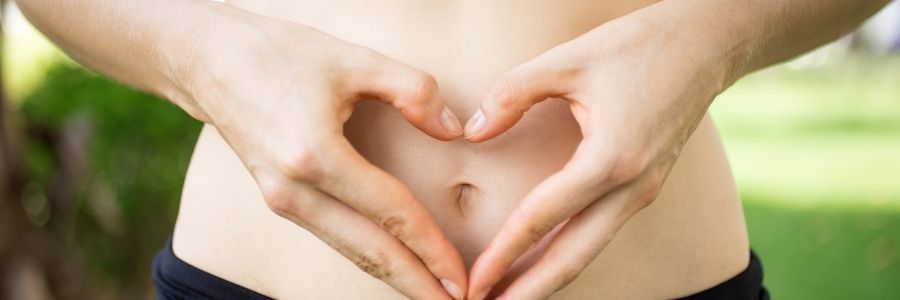
Let’s set the record straight. Digestive enzymes are not just a class of supplements, they are first and foremost, natural enzymes that exert their effects in the digestive tract. In fact, they are produced and secreted from the pancreas, gallbladder, and liver, and are essential for chemically breaking down our food.
What are enzymes?
You might have just read the above and are now asking “Well what are enzymes?”. These are proteins in the body that speed up hundreds of chemical reactions, especially those involved in reaping and converting the energy from our food into useable energy.
The three main classes of digestive enzymes are:
- Amylase: Breaks down carbohydrates into simple sugars (monosaccharides, disaccharides)
- Protease: Breaks down proteins into amino acids (mainly trypsin and chymotrypsin)
- Lipase: Breaks down the fats (lipids) into fatty acids
These three macronutrients need to be broken down and digested through both physical means (peristalsis) and chemical (digestive enzyme) action to be available for absorption through the small and large (much less) intestines.

What if we don’t digest these nutrients?
This is a very important question. The three macronutrients (well, with the exception of carbohydrate) are considered to be essential for human life. This means we need to consume them from our diet as we cannot synthesise them in the body. In addition, the vitamins and minerals that we consume in our food are also essential and play a role in hundreds of crucial reactions.
If we don’t produce enough of these digestive enzymes, than we won’t be able to break down our food fully and all the nutrients will not be absorbed. This can lead to muscle wasting, weight loss, fatigue and vitamin/mineral deficiencies if left unchecked. Reduced levels of digestive enzyme production occurs in several gastrointestinal disorders, infections and it also can decrease as we age.

Are there natural sources of digestive enzymes?
Yep! Fruits, vegetables and a range of fermented food/drink products contain enzymes that can help contribute to your endogenous stores. Some of these include pineapple (Bromelain), kefir and other fermented drinks, papaya (papain), natto (nattokinase), mangoes, raw honey, avocados (lipases) and many more (Sources: NCBI and AAM.org).
Increasing your intake of these fruits and vegetables may promote the efficiency of your digestive breakdown of food. But you should always consult your physician if you are experiencing any symptoms of maldigestion and malnutrition as a result.

What are digestive enzyme supplements?
It is important to point out that not all enzymes work to aid digestion, but play crucial proteolytic, lipolytic or amylytic roles in other parts of the body. These are known as systemic enzymes, while those that can improve the breakdown of consumed food are of course, digestive enzymes.
Digestive enzymes are used in circumstances when an individual either cannot produce enough naturally or is experiencing other digestive difficulties.
Some enzyme formulations can provide benefits to the individual by aiding the efforts of the internal enzymes. However, not all supplements are created equal, and different products contain different enzymes. For example, we offer a very popular digestive aid, formulated by the renowned Arthur Andrew Medical.
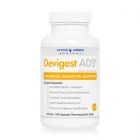
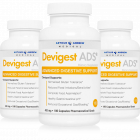
- Devigest ADS is a powerful blend of digestive enzymes created by the renowned Arthur Andrew Medical. This potent product contains bromelain (from pineapple), protease, alpha galactosidase (breaks down sugars), amylase, lipase, cellulase and more! This can help provide relief for a number of individuals experiencing difficulties with digestion.
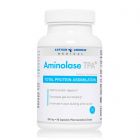
- AAM Aminolase is a powerful protease supplement that can help you to efficiently break down and digest high-quality protein. This can enhance your muscle-building, strength, recovery and overall health goals!
- Need more information about Arthur Andrew Devigest and Aminolase? You can read all about it on this page

Do I need digestive enzymes?
As mentioned, there are a host of different circumstances that can influence our ability to naturally produce digestive enzymes in the body. For example, studies show that the lactose-intolerance is a condition that is more likely to develop with increasing age. But what is this and why?
This is an enzyme-related problem whereby the individual produces less, or completely stops producing, the digestive enzyme lactase. This breaks down lactose a sugar into it’s simplest form galactose, so that it can be digested. If we are not able to break this sugar down, it can cause a whole host of issues in the GI tract.
The decision to start using digestive enzymes should be one you carefully consider, and discuss with professionals.

How do I improve my digestive health?
In terms, of improving overall digestive health and the regularity, here are some evidence-based strategies:
- Eat plenty of fibres through fruit, vegetables and wholegrains. These will improve regularity of bowel movements and also provide food for the beneficial bacteria in the colon.
- Eat slower and chew your food completely. This is often a cause of poor digestion, because chewing is essential for increasing the surface area of the food. Eating two quickly leads to large chunks of food being sent into the GI tract. This makes more work for the digestive enzymes to break these chunks of food down.
- Avoid excessive use of NSAID’s, alcohol, nicotine and caffeine which can impact your gut microbiota, diversity.
- Work to reduce stress levels and if you suffer from anxiety or depression, seek professional help. These have been shown to have a strong link with digestive health and so may be contributing to any issues you’re experiencing.
Wrap up
Digestive enzymes are crucial components that facilitate the breakdown and absorption of carbohydrates, protein and fats. Without these, we would not absorb the energy from these nutrients, but would also be without their important benefits e.g. protein for tissue building.